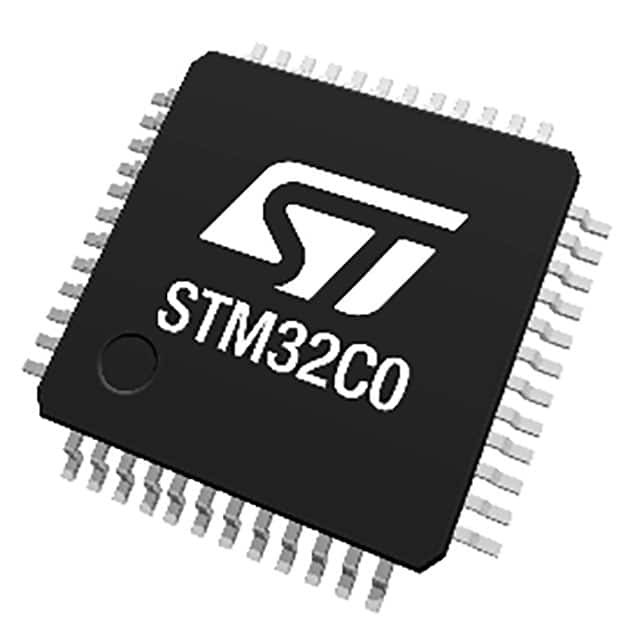
When diving into the world of embedded systems, STM32 microcontrollers quickly stand out as a reliable, powerful, and versatile solution for a wide range of applications. Developed by STMicroelectronics, these 32-bit microcontrollers are based on ARM’s Cortex-M cores, making them ideal for both entry-level projects and complex industrial systems. But what exactly are STM32 microcontrollers, and why have they become a go-to choice for embedded system designers?
Simply put, STM32 microcontrollers are the beating heart of modern embedded devices—everything from simple home appliances to sophisticated industrial control systems. They are compact, energy-efficient, and packed with features that make them perfect for tasks like real-time control, data processing, and communications.
Why Choose STM32?
STM32 microcontrollers are famous for their high performance and low power consumption. Their flexibility across different hardware platforms makes them well-suited for a variety of embedded applications. Whether you're building an IoT device, working on a consumer electronics project, or developing an automated industrial system, STM32 offers a complete solution to meet your needs.
A standout feature of STM32 chips is their ability to efficiently manage peripherals like GPIOs, ADCs, DACs, and communication protocols (UART, SPI, I2C, CAN, etc.). These microcontrollers come in a range of series, from low-cost options for simple applications to high-performance models for demanding tasks.
also read: Why Use STM32 Instead of ESP32?
Getting to Know the STM32 Architecture
At the core of STM32 is the ARM Cortex-M processor. Depending on the specific STM32 model, you’ll find different variants of the Cortex-M cores:
Cortex-M0/M0+: These are designed for low-power, entry-level projects.
Cortex-M3: A balanced core offering moderate performance for a broad spectrum of applications.
Cortex-M4: Equipped with a Floating Point Unit (FPU), it supports more complex signal processing tasks, perfect for audio processing and motor control.
Cortex-M7: The highest performing core in the STM32 lineup, ideal for applications requiring substantial computational power, such as high-speed communications and complex algorithms.
In addition to the core, STM32 microcontrollers are designed with multiple layers of memory, including Flash (for code storage) and SRAM (for temporary data), ensuring smooth performance. They also support various clock frequencies and power management options that balance performance and energy efficiency.
STM32 and Embedded Systems: A Perfect Match

Embedded systems are specialized computing systems designed to perform specific functions. These systems are found in almost every device we use today, from smart thermostats to robotics and medical equipment. STM32 microcontrollers are widely regarded as the ideal choice for embedded systems because they provide an optimal mix of real-time performance, power efficiency, and peripheral integration.
In the context of embedded systems, STM32 microcontrollers serve several key roles:
Real-Time Processing: Embedded systems often require real-time operations, where STM32 excels with low-latency processing and accurate timing.
Sensor Integration: With built-in analog-to-digital converters (ADCs) and other peripherals, STM32 easily interfaces with sensors and other external components to gather, process, and transmit data.
Communication: Many embedded systems need to connect to the internet or other devices. STM32 offers a variety of communication protocols (like UART, SPI, I2C, etc.) for smooth data exchange.
Low-Power Operations: For battery-powered devices, STM32 microcontrollers come with energy-efficient modes that extend battery life without compromising functionality.
Development Ecosystem for STM32 Microcontrollers
The STM32 development environment is one of the key reasons these microcontrollers have become a favorite in embedded systems development. With tools like STM32CubeIDE, STM32CubeMX, and a rich set of software libraries, developers can quickly get started, even without deep hardware knowledge.
STM32CubeIDE is an all-in-one development platform that allows you to write, compile, and debug your applications seamlessly.
STM32CubeMX simplifies the configuration of peripherals and generates initialization code, making it easier to set up hardware for your projects.
HAL (Hardware Abstraction Layer) and LL (Low Layer) drivers are provided by STMicroelectronics to help developers interface with hardware components without needing to deal with low-level register manipulations.
Choosing the Right STM32 Microcontroller for Your Project
The STM32 family includes several series that cater to different application needs:
STM32F Series: This series includes several models, from low-cost (STM32F0) to high-performance (STM32F7), suitable for everything from consumer electronics to industrial automation.
STM32L Series: If low power is a priority, the STM32L series focuses on energy-efficient microcontrollers for battery-powered applications like wearable technology and portable devices.
STM32H Series: Designed for high-performance applications, these microcontrollers support intensive processing tasks, making them perfect for advanced industrial control systems.
Applications of STM32 in Embedded Systems
STM32 microcontrollers play a crucial role across a wide range of industries, making them incredibly versatile in embedded systems:
Industrial Automation: STM32 microcontrollers power everything from PLC systems to robotics and motor control.
Consumer Electronics: In devices like smart home systems, wearables, and audio/video equipment, STM32 ensures real-time processing and efficient power consumption.
Internet of Things (IoT): With their built-in communication features, STM32 microcontrollers are at the core of many IoT devices, enabling connectivity and remote control.
Automotive and Medical: STM32 finds use in automotive control systems (ECUs) and medical devices like heart monitors and diagnostic equipment, where precision and reliability are paramount.
Getting Started with STM32 Microcontrollers
If you're ready to start developing with STM32, the first step is to choose the right development board. Options like the STM32 Nucleo and Discovery Kits come with everything you need to start programming STM32 microcontrollers.
Next, set up STM32CubeIDE, choose your microcontroller model in STM32CubeMX, and begin writing your first program—perhaps something simple like blinking an LED. Once you're comfortable, you can start exploring more complex projects, including sensor integrations, communication protocols, and even wireless applications.
Conclusion
STM32 microcontrollers are the backbone of modern embedded systems, offering developers the performance, flexibility, and power efficiency they need for a wide range of applications. From simple consumer electronics to advanced industrial systems, STM32 provides the tools and capabilities to bring innovative ideas to life. By choosing the right STM32 model, utilizing the development tools, and exploring its broad ecosystem, you're well on your way to creating the next generation of embedded systems.