You feel wind, air from a fan, or a vent. It's just moving air, right? But how does a machine precisely measure this invisible flow? What exactly is "air flow rate"?
Why is measuring air so important anyway? And what does a device for measuring air flow even look or work like? If you've seen terms like "air flow rate sensor" or "air flow meter" and wondered, you're encountering a key technology.
These devices solve the problem of quantifying invisible air movement. This precise measurement is surprisingly vital in many systems you use daily. This guide will explain what an air flow sensor is, what it measures, why it's important, and where you find these clever tools.
What is an Air Flow Sensor and What Does It Measure?

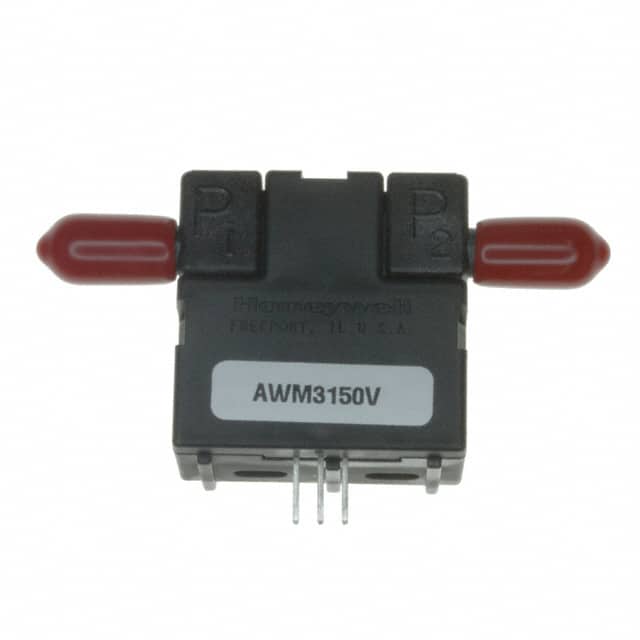
Let's get straight to it: what exactly is this device? An air flow sensor, often also called an air flow meter, is a tool designed to measure the movement of air or other gases. Think of it as a specialized instrument that can quantify something we usually just feel – the flow of air. Its fundamental job is to detect this air movement and convert it into a usable signal, usually electrical.
So, what kind of information does this air flow meter provide? Primarily, it measures the air flow rate. This refers to how much air is passing a specific point over a certain period of time. There are two main ways this rate is measured:
- Volume Flow Rate: This measures the space the air fills as it moves. For example, it might tell you how many liters or cubic feet of air pass by in one minute.
- Mass Flow Rate: This measures the actual amount of substance – the mass of the air molecules – moving past per unit of time like grams per second. Mass flow is often more important than volume when dealing with processes like chemical reactions such as combustion, because the number of molecules related to mass is what really matters.
Beyond the core flow rate, some types of air flow sensors can also measure the air's velocity. Depending on their design, certain air flow meters might even provide readings for air pressure or help determine the direction of the flow. However, their main purpose remains turning the invisible movement of air into precise, measurable data about its flow rate.
How Do These Sensors Work?
Okay, so we know an air flow sensor measures how much air is moving, determining the air flow rate and speed. But how does it actually figure out that number for air we can't even see?
The simple idea is this: The sensor has a special part that physically reacts when air flows past it. The sensor is built to measure exactly how strong or how much this physical reaction is.

Let's look closely at how the Hot Wire Air Flow Meter operates using its main parts: a thermistor, a platinum hot wire, and an electronic control circuit.
First, the thermistor accurately measures the temperature of the air entering the sensor.
The electronic control circuit then uses this incoming air temperature as a reference.
It heats the platinum wire, carefully adjusting the power to ensure the wire stays at a consistent temperature higher than the measured incoming air temperature.
Now, when air flows past this hot wire, it carries heat away from it, causing it to cool down; if the airflow increases, the wire cools even more rapidly. The control circuit constantly monitors the wire's temperature, immediately detecting this increased cooling effect.
In response to the cooling, the circuit automatically boosts the electrical current flowing through the wire – it supplies more energy specifically to maintain that constant temperature difference between the wire and the incoming air.
The sensor then measures precisely how much extra electrical current was required to keep the wire hot against the cooling effect of the airflow.
Finally, this measured amount of current is converted into a proportional voltage signal that the sensor outputs, providing the accurate reading of the airflow rate.
So, the sensor feels the air's physical effect, measures how strong it is, and uses a built-in scale to give us the flow number we need.
Different Ways Airflow is Sensed: Common Types
Different jobs require different tools, and the same is true for measuring airflow. While they all follow the basic principle of sensing a physical effect caused by moving air, various types of air flow sensors or meters are designed in unique ways, each with its own characteristics, primary function, and advantages for specific situations.

One common type is the Hot Wire Air Flow Meter. This sensor works by sensing how moving air cools a heated object. It uses a very thin wire, often made of platinum, which is heated by electricity. As air flows past, it cools the wire.
The sensor measures how much heat is carried away by the air to determine the flow rate. Hot wire sensors often measure mass air flow directly and are particularly effective at accurately measuring low airflow speeds. A key advantage is their ability to provide direct mass flow data quickly, and they tend to have a fast response time to changes in flow.

Another type is the Vane Air Flow Meter. This sensor uses the physical force of the air pushing on a surface. It features a movable flap or vane placed within the airflow path; the air's force literally pushes this vane out of the way. By measuring how far the vane is pushed open by the air (often using a simple mechanism), the sensor determines the volume air flow rate. Vane sensors have a relatively simple design, which can make them a more cost-effective option in certain basic applications.

Then there is the Pitot Tube Air Flow Meter. This type works by measuring the pressure difference created by moving air. Its characteristic feature is a rigid tube with openings, placed in the airflow. One opening faces directly into the flow to catch the 'total' pressure, while others measure the 'static' pressure from the side.
By measuring the difference between these two pressures, the sensor determines the air velocity. If the size of the pipe or duct is known, this velocity can be used to calculate the volume flow rate. Pitot tubes are often used for measuring faster airflow speeds.
A major advantage is their durability; having no moving parts in the direct airstream makes them robust and suitable for harsh environments or high temperatures where other sensors might get damaged.
Finally, the Cup Anemometer is another device used to measure air movement, often seen on weather stations. It uses the force of the air to cause rotation, featuring several cups mounted on arms that spin around a vertical shaft when wind hits them.
By measuring how fast the cups spin, this device measures wind velocity or speed. Cup anemometers are simple and reliable for measuring wind speed in open, outdoor environments. However, they are less commonly used for precise air flow rate control inside enclosed ducts or pipes compared to the other types.
Choosing the Right Air Flow Sensor: What to Consider
After learning about what air flow sensors are and the different types available, you might wonder: how do you pick the right one for a specific job? Just like choosing the right tool from a toolbox, selecting an air flow meter depends entirely on what you need it to do. Here are the key things you need to think about:
Firstly, consider what you are measuring. Is it just clean, dry air, or will it be humid, dusty, or even contain other gases? Some sensor types are sensitive to dirt or moisture and won't work well in harsh conditions, while others like the Pitot tube are more robust.
Next, think about what kind of number you need. Do you need to know the volume flow rate? Or is the mass flow rate more important, perhaps for a chemical process? Maybe you only need to know the air's velocity or speed. The type of measurement required is one of the biggest factors in choosing the sensor type.
You also need to know the expected range of air flow. What's the lowest flow rate or speed you need to measure accurately? What's the highest? Sensors are designed to work within specific ranges, and one that's great for very low flows might not work at all for high-speed airflow, and vice-versa.
How accurate does the measurement need to be? Some applications, like medical devices or scientific experiments, require very precise readings. Others, like simply confirming air is flowing in a basic ventilation system, might not need super high accuracy. Higher accuracy often means a more complex and expensive sensor.
Consider the environment where the sensor will be. Will it be in high temperatures, low temperatures, under high pressure, or subject to vibration? These conditions can affect sensor performance and durability. As we saw, certain types like the Pitot tube handle tough conditions better than others.
Think about where and how the sensor will be installed. Does it need to fit into a small pipe? Will it be in an open area? Does it need to be easily removable for cleaning? The physical size, shape, and required installation method of the sensor are practical points to check.
You'll need to consider how the sensor will connect to the system that reads the data. What type of electrical signal does it provide? This could be a simple voltage or a digital signal. The signal type needs to be compatible with the controller or display you are using. And, of course, cost is always a factor; sensors vary widely in price depending on their type, accuracy, and features.
By thinking through these questions based on the specific job required, you can narrow down the options and select the most suitable air flow sensor or air flow meter for your needs.
Conclusion
In summary, air flow sensors, also called meters, are vital devices needed to precisely measure invisible air movement and its flow rate, because simply feeling isn't sufficient for modern systems.
By detecting physical effects air has on them, these sensors provide crucial data. Different types exist for different jobs, making air flow measurement an essential part of countless technologies that enable efficiency and safety in our world.