Ever played with an audio equalizer to boost the bass or cut out annoying treble? Or maybe you noticed how your radio tunes into just one station, ignoring all the others? That's the neat trick of electronic filters!
Think of an electronic filter like a clever gatekeeper for electrical signals. Signals carry information using different "pitches," which we call frequencies. A filter's main job is to let certain frequencies pass through easily while blocking or reducing others. It’s like using a sieve – only the right-sized bits get through!
When you start exploring circuit design and realize you need to shape a signal, you’ll quickly come across two main families of these filters: Passive Filters and Active Filters. While both sort frequencies, they work in quite different ways. Understanding these differences is key to picking the right one for your next project!
Passive Filters: Simple, Power-Free Helpers

The name "passive" gives you a big clue: these filters don't need their own separate power supply. They simply use the energy already in the signal itself to do their filtering work.
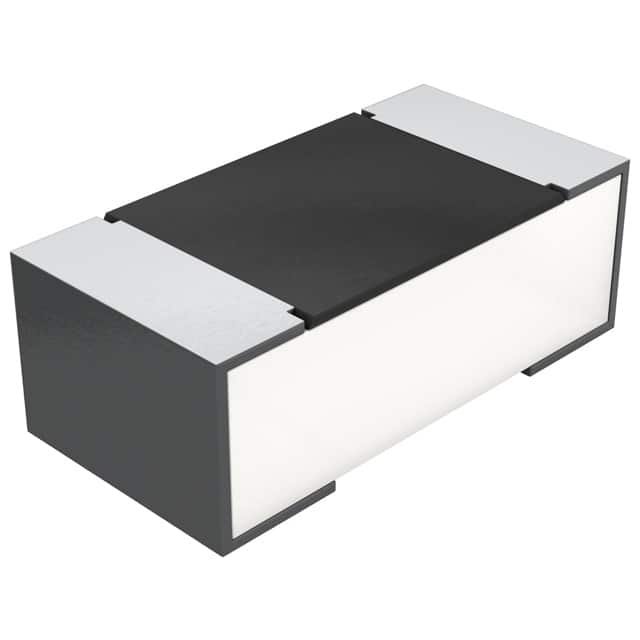
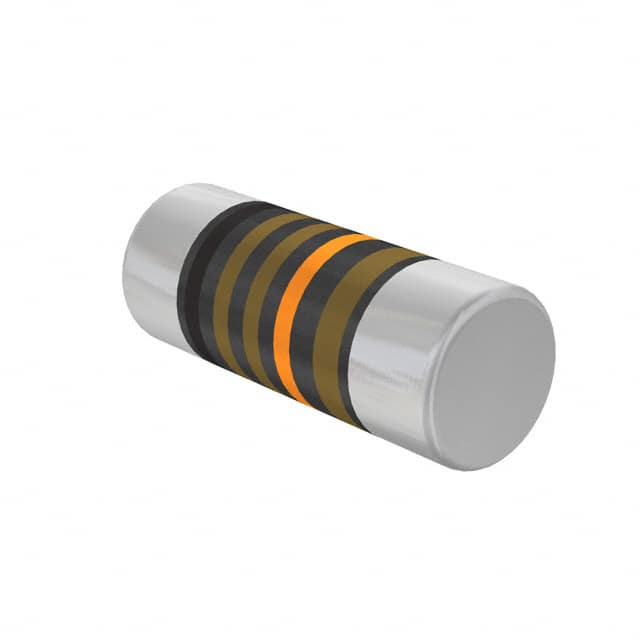
You build passive filters using just the most basic electronic parts, known as passive components:
- Resistors (R): They resist electrical flow.
- Capacitors (C): They store a little bit of energy and act differently depending on the signal's frequency.
- Inductors (L): These store energy in a magnetic field and also respond differently based on frequency. They resist quick changes in the signal.
By arranging these components cleverly, perhaps as a simple RC filter or LC filter, you create paths that are easier for certain frequencies to travel along than others. A high frequency signal might find it easy to zip through a capacitor but hard to get past an inductor, and vice versa for a low frequency signal. The filter uses this natural behavior to sort the signal's frequencies.
Types of Filtering Possible: By arranging R, C, and L in different ways, you can build passive filters designed to:
- Pass low frequencies.
- Pass high frequencies.
- Pass a specific range of frequencies.
- Block a specific range of frequencies.
Passive filters are often chosen for simplicity.
A big advantage is needing no external power supply. Just wire them into your circuit design, and they work. Great for battery gadgets or simple setups. They are also generally very steady and don't add extra electronic noise. For very high frequencies like radio signals, passive components can often handle them better than active ones. Tough passive filters can sometimes handle higher power or voltage signals too.
They never make a signal stronger. You always get signal loss; no signal gain here. Connecting them to other circuit parts can be tricky. They might "drag down" the signal source a bit (impedance related).
How they filter is also a point: their frequency response creates a more gradual cutoff, not a sharp "brick wall." Getting very precise filtering is harder. Filtering low frequencies often needs large, expensive Inductors.
Active Filters: Adding Power for More Control

Now, the Active Filter. "Active" means they do need an external power supply to work.
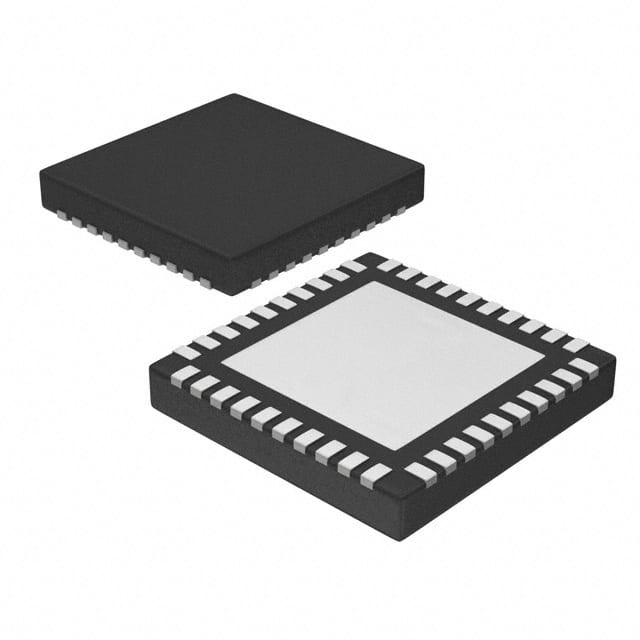
Why power? Active filters use passive components like Resistors and Capacitors, plus active components, usually an Operational Amplifier .
These active parts are like a helper inside the filter. The power supply gives them energy to actively shape the signal. They can boost signals, separate parts of the circuit, and control the frequency response more precisely.
Active filters gain power and capability from needing a power supply.
A major advantage is signal gain! Active filters can make the filtered signal stronger, useful for weak signals. They're also great at isolating parts of your circuit (acting like a buffer), making circuit design easier when connecting sections.
Active Filters offer much more control over the frequency response. You can create very sharp cutoffs, and it's easier to design complex filters. They often avoid bulky Inductors, using mainly Resistors and Capacitors with an active chip, especially for low frequencies.
The main disadvantage is needing a power supply, which adds complexity and cost. Potential instability exists if not designed carefully. Active components can introduce a tiny bit of electronic noise. They are limited by the bandwidth of the active components at very high frequencies. Also, they generally can't handle very high voltage or power signals well.
Active Filter vs Passive Filter: Quick Differences
Here's a quick look at the main points:
- Needs Power? Passive: No. Active: Yes.
- Can Boost Signal? Passive: No. Active: Yes.
- Main Parts? Passive: R, C, L. Active: R, C + Active Parts.
- Connects Easily? Passive: Can affect source. Active: Acts as buffer.
- Filtering Sharpness? Passive: More gradual. Active: Can be much sharper.
| Feature | Passive Filter | Active Filter |
| Needs Power | No | Yes |
| Signal Gain | No | Yes |
| Main Components | Resistors, Capacitors, Inductors | R, C + Active Components |
| Signal Loading / Isolation | Can load previous stage, needs careful matching | Offers good isolation, less loading |
| Frequency Response Control | Gentler cutoff, harder to make sharp or complex | Can achieve sharp cutoffs, easier for complex designs |
| Complexity | Generally simpler to build | Generally more complex |
| Stability | Usually very stable | Can potentially be unstable |
| Added Noise | Does not add electronic noise | Active components can introduce some noise |
| High Power Signals | Can often handle higher power/voltage | Limited by rating of active components |
| Low Frequency | Requires larger, bulkier L/C components | Easier to implement, often avoids large inductors |
Deciding Which Filter Fits Your Project
Okay, knowing the basics, how do you choose for your project? It's about picking the tool whose advantages match your needs.
If your project runs on batteries or adding a power supply is hard, a Passive Filter is often simplest as it needs no power. But passive filters always weaken the signal – no signal gain.
If you need to boost a weak signa or isolate parts of your circuit, an Active Filter is needed. They provide gain and isolation thanks to the power supply and active components.
For sharp cutoffs in the frequency response or complex filter shapes, Active Filters are much easier to design. They offer more control and often avoid bulky Inductors, using mainly Resistors and Capacitors with an active chip.
For a more gradual filtering slope or maximum simplicity, a Passive Filter might suffice. For low frequencies, active designs avoid needing large Inductors, making them more practical.
Consider high power: Passive might be better. For low noise, Passive has an edge, though careful active design can be quiet.
Ultimately, the choice depends on your project's needs: Power? Gain? Sharpness? Complexity? Budget?
Where These Electronic Filters Show Up
These electronic filters are used in countless applications based on their strengths!
You often find Passive Filters where simplicity or handling raw power/speed is key. For example, speaker crossovers use passive RC/LC filters to split audio frequencies for woofers and tweeters.
Power supply adapters use passive LC filters to smooth out electricity. Simple RC filters appear in various circuit design spots.
Active Filters are common where control, precision, or signal gain is required. Audio equalizers use active filters like Op-amps, Resistors, Capacitors to precisely boost or cut frequencies (providing gain). In communication devices, active filters shape signals.
Scientific instruments use active filters for filtering weak sensor signals, often providing gain. Anywhere complex filtering, sharp frequency response, or a signal boost is needed, active filters are often used in the circuit design.
Conclusion
So, we've explored Active Filter and Passive Filter electronic filters. The core idea: Passive is power-free/simple but means signal loss, while active needs a power supply but offers gain and sharp filtering.
Choosing is about matching the filter's strengths to your project's needs and applications. Keep these key differences in mind for your next circuit design!