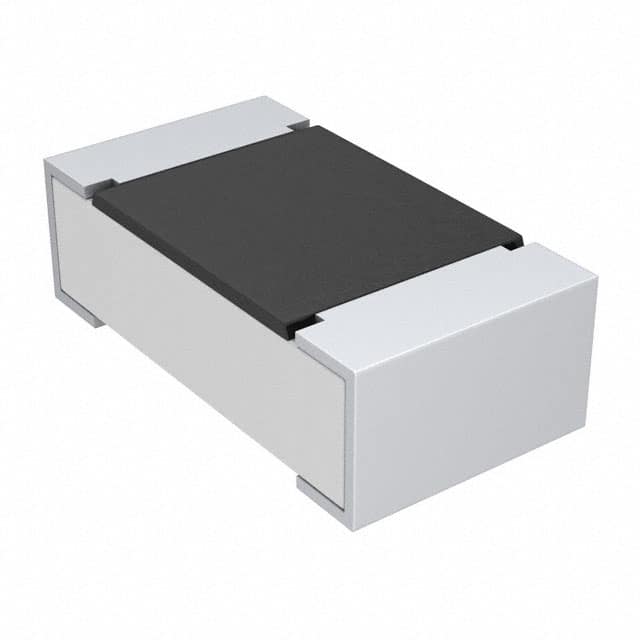
It's about control, safety, and reliability. Enter the isolated DC-DC converter: a silent yet powerful workhorse that ensures your devices not only function but do so safely and efficiently. Whether you're a hardware engineer, system integrator, or an inquisitive student, understanding these devices can make the difference between a robust design and a risky one.
This guide aims to demystify isolated DC-DC converters. We'll walk you through what they are, when and why you need them, how to choose the right one, and where to buy them without breaking a sweat (or the budget).
What Is an Isolated DC-DC Converter?

An isolated DC-DC converter transfers electrical energy from a source to a load while maintaining electrical separation between input and output. Unlike non-isolated converters like buck or boost, these use a transformer to achieve galvanic isolation, crucial in sensitive or high-voltage applications.
Key Characteristics:
Galvanic isolation through a transformer
Input-output separation, often with high isolation voltages (1kV to 6kV)
Ideal for safety-critical environments (e.g., medical, industrial)
How it works: Energy is first converted to high-frequency AC, stepped up/down via a transformer, and then rectified back to DC—all while isolating the two sides.
Why Do You Need an Isolated DC-DC Converter?
Still wondering if isolation is necessary? Consider these scenarios:
Medical devices: Isolation protects patients from potential leakage currents
Industrial automation: Prevents ground loops between subsystems
Telecom and data centers: Reduces noise and interference
Why Isolation Matters:
Safety Compliance – In regulated environments like medical or industrial control, isolation is essential to meet global safety standards and avoid liability.
System Protection – It safeguards both humans and sensitive electronics from electrical faults, transients, and ground potential differences.
Design Flexibility – Enables the use of multiple power domains and helps in managing noise-sensitive analog/digital boundaries.
Benefits at a glance:
Protection against electric shock
Improved EMC (Electromagnetic Compatibility)
Enhanced signal integrity in noisy environments
Key Parameters of Isolated DC-DC Converters

Choosing the right converter means balancing multiple variables. But knowing why these parameters matter is key to making informed decisions.
Critical parameters to consider and why they matter:
- Input voltage range: Wide input ranges such as 4.5–9V, 9–36V, or 18–75V allow for compatibility with various battery levels and industrial buses. Narrow ranges (like 5V ±10%) are suitable for controlled environments.
- Output voltage and current: Common outputs include 3.3V, 5V, 12V, and 15V, with current ratings from 100mA to several amps. Matching this to your load ensures stable operation and avoids overdesign.
- Isolation voltage rating: Look for 1kV for basic protection, 1.5kV for industrial-grade, and 3kV or more for medical or high-voltage systems. This defines how much voltage the barrier can safely withstand.
- Efficiency: Values typically range from 80% to 95%. Higher efficiency reduces heat dissipation, crucial for compact or fanless systems.
- Temperature range and derating: Typical ranges are –40°C to +85°C or wider. Understand power derating curves—some modules lose 50% output at 70°C without proper cooling.
- Form factor: SIP4, SIP7, DIP16, DIP24, or SMT packages impact your board layout. Choose based on space constraints and assembly method.
Popular Models and Key Specifications of Isolated DC-DC Converters
Here's where practicality meets performance. Below is a comparison of popular models across trusted manufacturers:
| Brand | Model | Input Range | Output | Isolation Voltage | Efficiency | Package | Applications |
|---|---|---|---|---|---|---|---|
| RECOM | R1SX-3.305/H | 3.3V | 5V/200mA | 1kV | 85% | SIP4 | IoT, Sensors |
| Murata | NMR0512SC | 5V | 12V/83mA | 1kV | 82% | SIP7 | Medical, Instrumentation |
| Traco | TEN 8-2411WI | 9–36V | 5V/1.6A | 1.5kV | 89% | DIP24 | Industrial Control |
| XP Power | ILC05S24-12 | 18–36V | 12V/420mA | 1.5kV | 90% | SIP | Telecom Equipment |
What the data reveals:
XP Power and Traco lead in efficiency and input flexibility, making them ideal for high-performance systems with variable supply conditions.
Murata models are compact and suitable for regulated environments like medical instruments but may not deliver high power.
RECOM shines in ultra-compact and cost-sensitive applications where minimal isolation and space-saving are top priorities.

Procurement Strategies and Channel Choices
Buying an isolated DC-DC converter shouldn't be more complicated than designing one.
Where to buy:
Digi-Key / Mouser: Global selection, datasheets, real-time inventory
LCSC / AliExpress: Budget-friendly, but watch for authenticity
Authorized distributors: XP Power, RECOM, Chipmall.com direct channels
Pro tips:
Monitor MOQ and lead time (some require 100+ units)
Check for ISO/UL certifications
Consider local agents for volume procurement
Selection Tools – Delivering Unique Value
Selecting an isolated DC-DC converter can be complex, especially when balancing multiple technical constraints. Fortunately, several leading manufacturers offer online selection tools that streamline the process:
RECOM Selection Tool – Helps you filter products based on voltage, current, isolation, and approvals.
Murata Parametric Search – Allows detailed filtering for performance, packaging, and application requirements.
TI Webench Power Designer – Offers simulation, thermal analysis, and complete design output for power modules.
These tools are ideal for quickly narrowing down options, checking electrical compatibility, and downloading reference designs or CAD files to accelerate development.
Common Pitfalls:
- Underrated power margin
- Neglecting thermal derating
- Overlooking creepage and clearance distances
Conclusion
By now, you've not only learned what an isolated DC-DC converter is but also how to select, source, and apply it with confidence. These components are small, but their impact on your system's safety, stability, and performance is enormous.