A 12V DC-DC converter helps deliver the right voltage where it's needed—safely, efficiently, and reliably. This guide shows you how they work, the types available, and how to pick the right one for your setup.
What Is a DC-DC Converter and Why 12V Matters?

A DC-DC converter is an electronic device that changes a source of direct current (DC) from one voltage level to another. Unlike AC transformers, DC-DC converters are compact, efficient, and built for precision in low-voltage environments.
How Does a DC-DC Converter Work?
At its core, a DC-DC converter works by rapidly switching a transistor on and off to control energy flow, storing and releasing energy through inductors and capacitors. In switching converters, this controlled switching enables the output voltage to be either lower, higher, or dynamically regulated compared to the input. Linear converters, on the other hand, simply drop voltage through a transistor operating in its linear region, dissipating the excess as heat.
In a buck (step-down) converter, energy is intermittently transferred to an inductor during the switch-on phase and released during the off phase, smoothing the output through a capacitor.
In a boost (step-up) converter, energy builds up in the inductor when the switch is closed and is pushed to the output along with the input when the switch opens.
This switching strategy allows for high efficiency, precise voltage control, and compact form factors—especially valuable in modern electronics.

Why 12V?
12V is the sweet spot for many systems. It's common in automotive applications, marine systems, solar setups, and portable electronics. It’s low enough to be safe, yet high enough to be practical for a range of devices.
Types of 12V DC-DC Converters Explained
12V DC-DC converters can be categorized in three primary ways: by their internal operating principle (linear vs. switching), by the direction of voltage conversion (buck, boost, buck-boost), and by whether their input and output sides are electrically isolated.
Linear vs. Switching Converters
Linear Regulators: Simple, low-noise regulators that reduce voltage by dissipating excess energy as heat. Suitable for low-power, EMI-sensitive applications, but relatively inefficient.
Switching Converters: Use high-speed switching and energy storage components like inductors and capacitors. Highly efficient (up to 95%), compact, and suitable for battery-powered and portable electronics
Voltage Conversion Topologies
| Type | Function | Use Case Examples |
|---|---|---|
| Buck (Step-down) | Converts higher voltage (e.g., 12V) to lower (e.g., 5V) | USB chargers, media players, TVs |
| Boost (Step-up) | Converts lower voltage (e.g., 12V) to higher (e.g., 24V) | LED systems, solar charging, portable lighting |
| Buck-Boost | Converts fluctuating input to stable output, either higher or lower | Automotive electronics, lithium battery systems |
Isolated vs. Non-Isolated Converters
Isolated Converters: Use transformers to separate input and output, enhancing safety and reducing noise issues. Used in industrial automation, medical equipment, and data centers.
Non-Isolated Converters: Direct electrical connection between input and output. More efficient and compact, ideal for applications like automotive electronics and communication systems where safety isolation is not a priority.
Understanding these categories helps clarify which converter is best suited for your design environment, power needs, and reliability requirements.
Common Use Cases for 12V DC-DC Converters
When it comes to applications, versatility is the name of the game. Here are some of the most common (and clever) ways 12V converters are used:
- RVs and Campers: Powering fridges, lights, and charging devices
- Solar Power Systems: Balancing output for batteries and inverters
- DIY Electronics: Feeding microcontrollers and sensors at lower voltages
- Marine Systems: Safely distributing power across cabins
- Industrial Automation: Powering sensors, actuators, and PLCs
Best 12V DC-DC Converters for Each Application
Let’s put theory into practice. Here's a quick-reference table comparing popular converter types by use case:
| Use Case | Recommended Converter | Key Features | Notes |
|---|---|---|---|
| Raspberry Pi / Arduino | Buck module (e.g., MPM3610) | Compact, 3.3V/5V output | Great for low-current projects |
| RV dual battery charging | Victron Orion-Tr 12/12-18 | Isolated, programmable | High reliability, pricey |
| LED lighting system | Boost converter (150W) | Adjustable output | Needs good cooling |
| Industrial sensors | Meanwell SD-15A-12 | DIN-rail, robust | Trusted industrial brand |
Representative Models of 12V DC-DC Converters
| Model Name | Type | Output Voltage/Current | Key Features | Ideal For |
|---|---|---|---|---|
| Victron Orion-Tr 12/12-30A | Isolated Buck | 12V to 12V / 30A | Smart charger, Bluetooth config, IP43 enclosure | RVs, campers, dual battery systems |
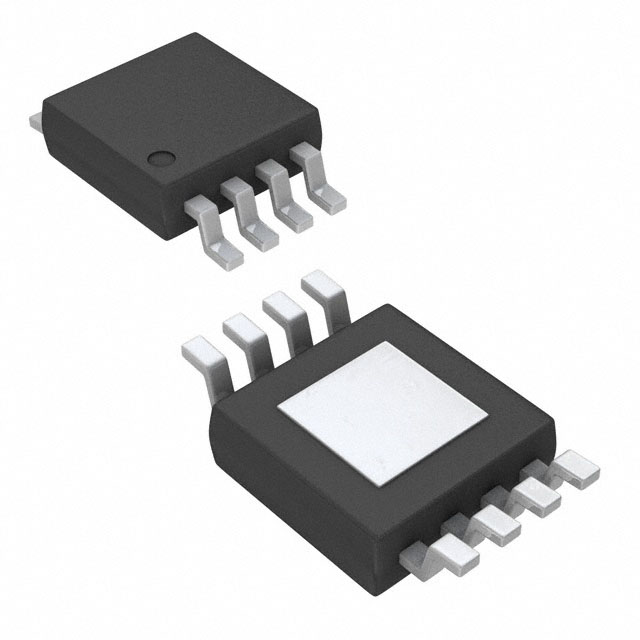
| MPM3610 | Non-Isolated Buck | 3.3V/5V / ~2A | Ultra-compact, SMD mount, high efficiency | Embedded systems, IoT |
| DROK Boost Converter 150W | Boost | 12V to 24V+ / 6A | Digital display, adjustable voltage | LED systems, lab setups |
| Meanwell SD-15A-12 | Isolated Buck | 12V / 1.3A | Industrial DIN-rail, high reliability | Factory automation, sensors |
| Traco Power TMR 3-1211 | Isolated Buck | 5V / 600mA | Ultra-compact, medical-grade certification | Medical, instrumentation |
How to Choose the Right 12V DC-DC Converter

When selecting a 12V DC-DC converter, several technical specifications matter—not just for compatibility, but also for safety, efficiency, and performance longevity. Here's what to look for and why it matters:
Key Specifications to Consider
Input Voltage Range
Choose a converter that supports the actual voltage range from your source (e.g., 10–16V for a 12V car battery). A mismatch can result in failure or inefficiency.
Output Voltage
Ensure the converter delivers the exact voltage your device needs—5V, 9V, 24V, etc. Some converters offer adjustable outputs, which adds flexibility.
Output Current / Power Rating
Calculate the maximum current your load will draw and choose a converter that supplies at least 30% more than that for safety margin.
Formula: Power = Voltage × Current × 1.3 for buffer
Efficiency (%)
Higher efficiency means less energy wasted as heat. Aim for >85% for most applications; >90% for battery-powered systems.
Ripple and Noise
Especially important in audio, video, and sensitive digital applications. Low-ripple output minimizes interference.
Isolation
Decide whether you need an isolated converter (essential for high-voltage or medical/industrial applications) or if a non-isolated type suffices.
Thermal Management
Check if the module has built-in heat sinks or requires active cooling. Undersized designs may overheat.
Form Factor and Mounting Style
Consider size, casing (open-frame vs enclosed), and mounting method (PCB, DIN-rail, chassis-mounted) for your environment.
Protections
Look for built-in protection features like:
- Over-voltage protection (OVP)
- Over-current protection (OCP)
- Thermal shutdown
- Short-circuit protection
Understanding and matching these parameters to your application ensures that your converter performs reliably, safely, and efficiently in the long term.
Conclusion
A well-chosen DC-DC converter can be the hidden hero in your system. Take the time to understand your requirements, and you’ll avoid headaches, rework, and fried circuits.
Have questions about your setup? Drop them in the comments or send us a message—we’re happy to help you power up, the right way.