This article aims to define the differences between QFP and LQFP packages, thereby investigating their unique qualities and uses. We will also contrast them with other packaging choices, including QFN (Quad Flat No-lead) and SOIC (Small Outline Integrated Circuit), to provide complete guidance for producers in choosing the most suitable package for their products.
Anyway,If you're looking for a reliable platform to buy electronic components, visit Chipmall.com – an online platform offering low-priced, genuine components with peace of mind.
What is a Quad Flat Package (QFP)?

Integrated circuits are housed in a kind of surface-mount packaging called Quad Flat packaging (QFP). Mounting it on a PCB is simple, with its square or rectangular body and pins extending from all four sides. QFPs are available in several lead counts and commonly range from 32 to 304 pins. Pin pitches commonly range from 0.4mm to 1.0mm.
QFP's lead structure—pins around the package on all sides—allows effective soldering and enhanced thermal management using efficient heat management.
Several QFPs fit specific needs: the basic QFP, the thinner quad flat package (TQFP) with a lower profile, and variations with varying pin layouts.
Applications include consumer electronics, automotive systems, and industrial equipment. QFPs are appealing since they fit devices requiring modest pin counts without size restrictions.
QFP's primary benefits are its availability in many pin counts and the simplicity of soldering. QFPs are significant compared to other packaging solutions; thus, they may not be appropriate for high-density systems where space is an important consideration.
What is a Low-Profile Quad Flat Package (LQFP)?

A Low-Profile Quad Flat Package (LQFP) is a version of the QFP with a thinner profile designed to satisfy space-constrained uses. It is suited for circumstances where component height is a significant consideration since it keeps the square or rectangular form and pin layout of a QFP but offers a lower height.
LQFP has a low-profile design—shorter than a conventional QFP—and longer leads with a smaller lead pitch. While preserving the same performance qualities as QFPs, these modifications help the PCB to have closer spacing.
Applications requiring a small form factor where the performance or functionality of the component is not sacrificed usually use LQFPs. Tools like mobile phones, automobile electronics, and other portable or high-density systems make them perfect.
LQFPs have several benefits, including their adaptability for space-limited designs and their performance in particular uses, which provide a good mix of size and utility. Still, the narrower profile can make soldering somewhat more complex and needs greater accuracy than typical QFPs.
QFN against QFP
QFN: Quad Flat No-Lead—what is it?

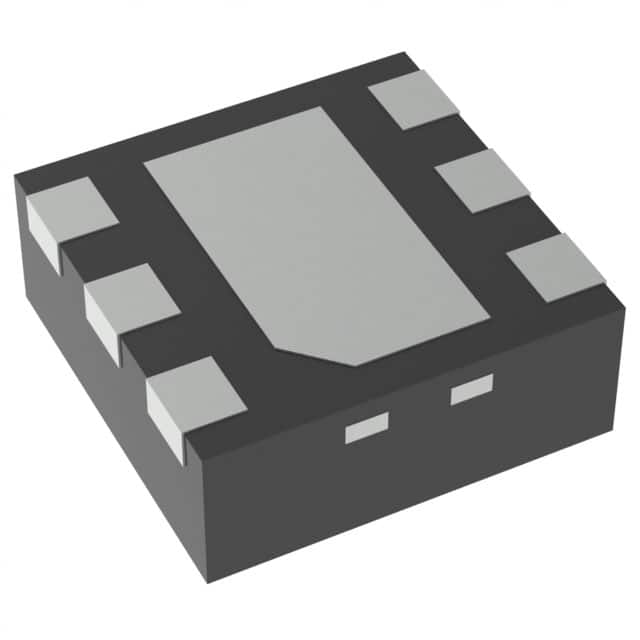
In terms of construction, a Quad Flat No-Lead (QFN) surface-mount package stands quite different from both QFP and LQFP. QFNs lack exterior leads, unlike QFPs and LQFPs, whose pins stretch from the sides. Instead, they solder straight onto the PCB from pads on the package's bottom. This unusual design has significant benefits, particularly in compactness and thermal performance.
Key Differences Between QFP and QFN
The lead structure of QFP and QFN differ primarily from one another. Whereas QFNs depend on pads underneath the package for soldering, QFPs have pins extending from all four sides. Because of their compactness, which lets them fit into smaller areas than QFPs, QFNs are
Furthermore, because the pads directly touch the PCB, QFNs often provide better thermal performance, hence improving heat dissipation; conversely, QFPs can have somewhat less effective thermal management because of their lead structure.
Applications, including mobile devices, wearables, and other small consumer electronics where shrinking is a top concern, often call for QFNs. Their better heat management and smaller form factor let them fit highly performing, space-limited designs.
While size is not as important, QFPs are perfect for devices needing modest pin counts when comparing their applications to LQFP and QFN. For designs requiring a reduced profile yet still provide lead count flexibility, LQFPs are ideal. Conversely, QFNs are the first choice for tiny, high-density circuits since they shine in applications prioritizing compactness and effective thermal dissipation.
How Different Is a Small Outline Integrated Circuit (SOIC) from a TQFP?
TQFP: what is it?
Designed especially for uses where a lower height is critical, a Thin Quad Flat Package (TQFP) is a thinner variation of the Quad Flat Package (QFP).
Though they are more compact in height, TQFPs—with leads extending from all four sides—keep the same fundamental form as QFPs—perfect for space-limited situations. Electronics like microcontrollers and CPUs that call for more pins often feature them.
SOIC stands for what?
Designed fundamentally differently from both QFP and TQFP, a Small Outline Integrated Circuit (SOIC) is a surface-mount package. Whereas the QFP and TQFP have leads on all four sides, SOICs only have leads on two sides of the package.
For devices with fewer pins, this makes SOICs more fit and more petite. Usually employed in simpler circuits devoid of the large pin count of a TQFP, SOICs.
Key Differences Between TQFP and SOIC
| Feature | TQFP (Thin Quad Flat Package) | SOIC (Small Outline Integrated Circuit) |
| Pin Count | Higher pin count, typically 32 to 304 pins | Lower pin count, typically 8 to 28 pins |
| Profile | Thin profile, but still taller than SOIC | Very low profile with a smaller footprint |
| Lead Structure | Leads on all four sides of the package | Leads on only two sides of the package |
| Typical Applications | Used in complex devices like microcontrollers, processors, and communication chips | Used in simpler devices like memory chips, operational amplifiers, and other low-pin-count ICs |
| Size and Space | Slightly larger than SOIC but compact compared to standard QFP | More compact and suitable for space-constrained designs with fewer connections |
There are several forms of QFPs: what are they?
Standard QFP.The most used kind is the regular QFP, which has a square or rectangular body with pins on all four sides. Without strict size limits, it is extensively utilized for devices requiring moderate pin counts, including microcontrollers and CPUs.
TQFP, thin quad flat package. Designed for use where height is a factor but pin count is still crucial, TQFP is a thinner form of the usual QFP. It's frequently seen in small products like portable electronics and automobile systems, offering a mix between pin count and size.
VQFP—Very Thin Quad Flat Package. Perfect for uses where significant space restrictions call for the shortest profile feasible, VQFP is an even thinner variation of the TQFP. Usually utilized in wearables and high-performance mobile devices where size and pin count are crucial.
When modest pin counts are required without rigorous space restrictions, microcontroller CPUs with standard QFP are employed.
When a thinner profile is required, TQFP is selected and fits portable devices and automotive systems.
VQFP is perfect for space-limited, high-performance uses like wearables and mobile devices, where both size and performance are vital.
Key Variations Between LQFP and QFP
- QFP: Best for applications with moderate pin counts where space isn’t a concern, offering ease of manufacturing and robust mechanical connections.
- LQFP: Ideal for compact and high-performance designs requiring a thin profile, often used in mobile and automotive devices, though it’s costlier and more challenging to manufacture.
| Feature | QFP (Quad Flat Package) | LQFP (Low Profile Quad Flat Package) |
| Profile and Size | Standard height (3.5mm - 5.0mm); bulkier design. Suitable for devices with fewer size constraints. | Thinner profile (1.0mm - 2.5mm); ideal for space-constrained designs, such as portable electronics. |
| Lead Design | Longer leads extending from all four sides; lead pitch typically between 0.4mm and 1.0mm. | Shorter leads with reduced height; lead pitch often between 0.4mm and 0.8mm. |
| Applications | Used in medium-pin count devices like microcontrollers and processors; ideal for non-space-constrained applications. | Common in compact devices such as smartphones, wearables, and automotive systems. |
| Cost and Manufacturing | Less expensive to manufacture; simpler design and production processes. | Higher manufacturing costs due to precision in creating the thinner profile. |
| Thermal Performance | Moderate thermal performance; larger surface area for heat dissipation. | Improved thermal performance; better heat dissipation due to a larger bottom surface area. |
| Mechanical Strength | Stronger mechanical connections due to longer leads. | Slightly weaker mechanical connections; shorter leads reduce mechanical strength. |
| Mounting and Soldering | Easier to solder due to longer leads. | More challenging to solder; requires more precision due to shorter leads and lower height. |
The market for packages of QFP and LQFP
Development in the Packaging Sector.As the market for smaller, more efficient electronics rises, so does the packaging business. Although QFP and LQFP are preferred choices, QFN's small form and thermal benefits drive demand.
LQFP and QFP Demand Globally. Medical, consumer, and automotive devices, as well as QFP and LQFP, are extensively applied. While LQFPs are perfect for small devices like wearables and cell phones, QFPs are commonly found in automobile control systems.
Anticipated Future Projects.The packaging industry will continue to prioritize miniaturization. As devices shrink, demand for LQFP and QFP will grow, with an eye toward higher-density interconnects and better thermal control.
Choose QFP or LQFP when:
Budget, pin count, and space restrictions are key factors guiding the choice between QFP and LQFP. QFP is a good option if the design calls for a high pin count yet allows more size freedom. However, LQFP becomes the superior choice if a design requires a thinner profile to fit into portable or tiny devices. The budget also matters since QFPs' straightforward design usually makes them more reasonably priced.
QFP: Applied in automobile control systems with less limited area, but pin count is crucial. In engine control units, for instance, modest pin counts are required, but size restrictions are not as rigid.
LQFP: Designed for low-profile consumer devices like cellphones and mobile CPUs, where performance and space economy are vital to rely on LQFP.
Conclusion
QFP and LQFP differ primarily in their profile and lead structure. While LQFP is intended for small applications and offers a smaller profile without losing performance, QFP is a bigger package that better fits devices with intermediate pin counts and less tight size criteria. Other packages, such as QFN and SOIC, provide additional choices depending on specific design requirements, including size, pin count, and heat dissipating capacity.