Is the 2SC5200 transistor still worth using? In this article, you'll get a quick overview of its capabilities, where it shines and where it doesn't, plus clear comparisons and practical advice to help you choose the right component for your next design.
Core Specifications of the 2SC5200 Transistor
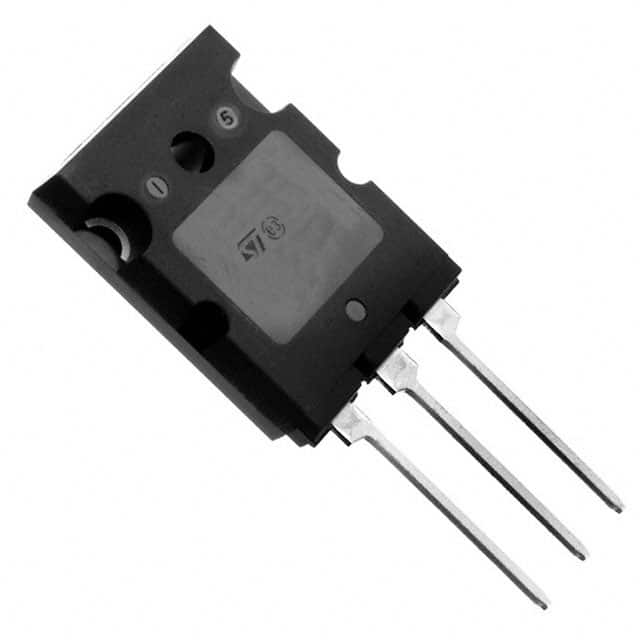
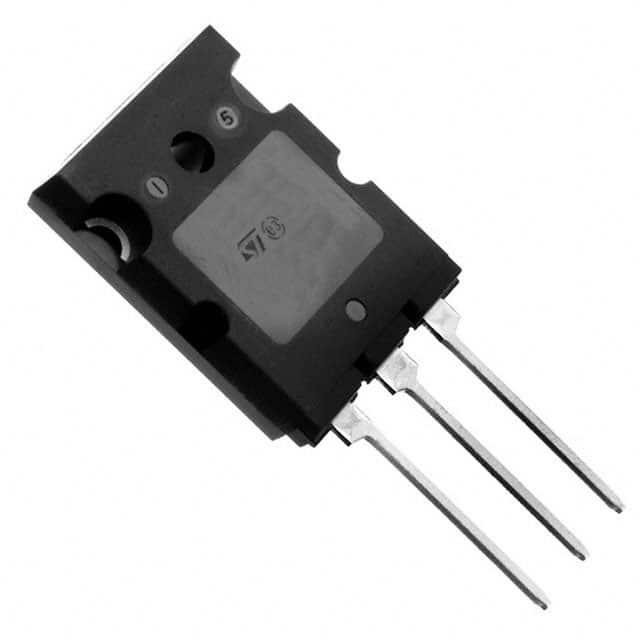
The 2SC5200, often referred to simply as the "5200 transistor," is a high-power NPN bipolar junction transistor (BJT) originally produced by Toshiba. Known for its robust power-handling capabilities, excellent linearity, and widespread use in class AB audio power amplifiers, it became a staple in the electronics community.
| Parameter | Value |
|---|---|
| Polarity | NPN |
| Collector-Emitter Voltage (Vceo) | 230V (min), ON Semi 250V |
| Continuous Collector Current (Ic) | 15A |
| Peak Collector Current (Ic Peak) | 30A |
| Power Dissipation (Pc/Pd) | 150W (at 25°C) |
| Transition Frequency (ft) | 30 MHz |
| DC Current Gain (hFE) Range | 55 to 160 |
| Package Types | TO-3P, TO-3PL, TO-264 |
| Operating Temperature Range | -55°C to +150°C |
| Complementary Part | 2SA1943 |
Typical Uses:
- High-fidelity audio amplifiers
- Power amplification circuits
- Educational or prototyping projects

What Is the 5200 Transistor and Why Was It So Popular?
At its peak, the 5200 transistor was the go-to component for engineers building high-power audio amplifiers. Its popularity stemmed from its:
High power and current ratings
Impressive thermal performance
Compatibility with the complementary 2SA1943 transistor
For years, the 2SC5200 was considered a cost-effective and reliable solution for audio enthusiasts and professional amplifier designs alike. But as technology evolved, so did expectations.
also read: Comprehensive Guide to the 2N3904 Transistor Datasheet
Limitations of the 5200 Transistor in Modern Applications
Despite its legendary status, the 5200 transistor is beginning to show its age in today's fast-evolving electronics landscape. Key limitations include:
- Bulky Package: The TO-264 package is relatively large, making it less suitable for compact designs.
- Thermal Efficiency: Requires significant heatsinking in high-load applications.
- Efficiency: BJTs like the 5200 are less efficient than modern MOSFETs in switching applications.
- Counterfeit Risk: Rampant counterfeit versions exist, especially in online marketplaces.

Modern Alternatives t2o the 5200 Transistor You Should Consider
If you're designing for efficiency, space constraints, or enhanced performance, consider these alternatives. Each option addresses specific pain points that the 5200 struggles with—whether it's thermal efficiency, board footprint, or audio fidelity:
NJW0302 is a modern linear audio power transistor built for high-fidelity designs, offering excellent gain linearity and stable thermal behavior.
MJL3281A and MJL1302A, from Onsemi, are trusted for their robust safe operating area (SOA) and strong power dissipation in professional-grade audio setups.
IRFP240 and IRFP9240 are fast-switching MOSFETs ideal for class D or high-efficiency amplifier designs, known for their low Rds(on) and compact design.
TPA3116D2 is an integrated digital amplifier chip, highly efficient and perfect for portable or small form-factor applications with minimal heat output.
| Feature | 2SC5200 | NJW0302 | MJL3281A | IRFP240 | TPA3116D2 |
|---|---|---|---|---|---|
| Type | BJT | BJT (LAPT) | BJT | MOSFET | Class-D IC |
| Efficiency | Moderate | High | High | Very High | Ultra High |
| Size | Large | Large | Large | Medium | Small |
| Heat Dissipation | High | Moderate | Moderate | Low | Very Low |
| Audio Quality | Very Good | Excellent | Excellent | Good | Good (digital) |
| Ideal Use Case | Hi-Fi amps | Hi-Fi amps | Professional Hi-Fi | Switching amps | Portable/Bluetooth amps |
These replacements not only reflect a generational shift in component design but also provide engineers with new levels of control, efficiency, and design flexibility.
Should You Still Use the 5200 Transistor for DIY Projects?
Yes, and here's why: the 2SC5200 is still a great choice for many DIY audio projects—especially if you're building or fixing analog amplifiers. It's easy to find, works well in proven circuit designs, and offers solid performance for the price.
If you're a hobbyist looking to learn or tinker, this transistor is a fantastic tool. It helps you understand how traditional class AB amplifiers work, and it's compatible with tons of online schematics and tutorials.
That said, it's not perfect. It's big, it runs hot, and it's not as efficient as modern parts. If you're working on compact or battery-powered projects—or you care about squeezing out every bit of efficiency—then it's time to look at newer components like Class D amplifier chips or modern MOSFETs.
Bottom line: use the 5200 when you're learning, repairing, or building on a budget. But if you're designing something new and care about performance or space, choose a modern alternative.
Fake 5200 Transistor Problems and How to Identify Genuine Parts
Counterfeit transistors are rampant. These knock-offs often:
- Fail under rated current
- Display poor thermal conductivity
- Drift from specified frequency response
How to spot a fake:
- Compare font and engraving depth with verified originals
- Measure hFE and other key parameters
- Buy only from authorized distributor

5200 Transistor vs. Modern Power Modules
To help you make an informed decision, here’s a more specific comparison using real-world models and modules:
Comparison Table: 5200 vs. Modern Modules
| Feature | 2SC5200 | NJW0302 | IRFP240 | TPA3116D2 | TAS5630 |
|---|---|---|---|---|---|
| Type | BJT | BJT | MOSFET | Class-D IC | Class-D IC |
| Audio Use | Analog AB | Analog AB | Switching | Digital Audio | High Power Audio |
| Max Output Power | ~100W | ~150W | ~200W | ~50W/ch | ~300W |
| Efficiency | ~50–60% | ~65–70% | ~80% | ~90% | >90% |
| Heat Requirement | High | Moderate | Low | Minimal | Minimal |
| Ideal For | DIY/repair | Hi-Fi | Compact amps | Portable devices | Home theater systems |
Conclusion
In short, the 5200 transistor is a legend with lingering utility—but not a one-size-fits-all solution. For hobbyists and repair shops, it's still relevant. For manufacturers, engineers, and designers working on modern hardware, newer options will serve better.